
Local Lenders
Here are a few trusted local mortgage professionals I’ve had positive experiences with. They’re listed for convenience only, and you’re never required to use anyone on this page.
Recommended Lenders

Gabe Caraway
Mortgage Loan Originator
Guild Mortgage
NMLS# 1801527
- Office: (769) 230-1835
- Mobile: (601) 278-8729
- Email: gabe.caraway@guildmortgage.net
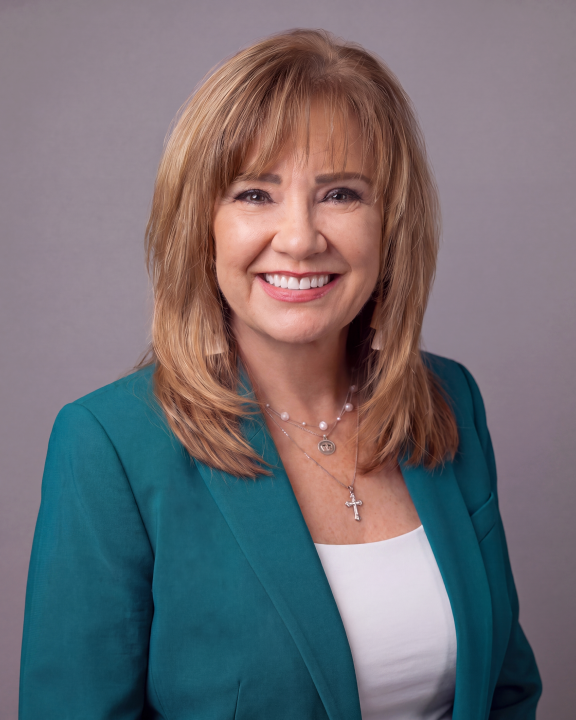
Tammye Dickerson
Mortgage Loan Originator
Eustis Mortgage
NMLS# 102099
- Mobile: (601) 624-4427
- Email: tammye@eustismortgage.com
Disclaimer
These lenders are provided as a resource. You are encouraged to compare rates and services to find the best fit for your needs. No referral fees or compensation are exchanged.
Pre-Qualification and Mortgage Rates
Why Pre-Qualification Matters
Before you start house-hunting, it’s smart to get pre-qualified.
- Helps you know your realistic price range.
- Strengthens your offer when you find the right home.
- Prevents surprises with financing later.
- Is required by some sellers before scheduling showings.
It’s not a binding approval, but it gives both you and sellers confidence that you’re ready to move forward.
Strategic Loan Options
Many buyers qualify for more advanced financing structures than they realize, especially when down payment assistance and flexible underwriting are layered correctly. Through Gabe Caraway with Guild Mortgage , buyers may have access to a broad range of programs designed to address down payment, credit profile, income documentation, and property type.
FHA Financing (3.5% Down)
FHA loans are commonly used by first-time buyers due to flexible credit guidelines and the ability to pair with down payment assistance. Credit scores as low as 540 may be considered, with higher down payment requirements at lower score tiers. FHA financing allows up to 6% seller concessions and can be used for single-family homes, approved condominiums, and manufactured homes.
USDA Rural Development Loans (0% Down)
USDA loans offer 100% financing for eligible rural properties, including many areas across Central Mississippi. These loans are designed for low-to-moderate income buyers and allow for seller concessions and flexible credit standards.
VA Loans (0% Down)
VA loans provide 100% financing for eligible veterans and active-duty service members, with no monthly mortgage insurance and competitive terms. Disabled veterans may be exempt from the VA funding fee.
Conventional Financing (3%–5% Down Options)
Conventional loans are available for first-time and repeat buyers and may offer competitive pricing and flexible structures depending on credit strength and available assets. Options include primary residences, second homes, and investment properties.
Mississippi Home Corporation (MHC) Assistance Programs
State-backed assistance options such as Smart7, Easy8, and Trusty10 may help with down payment or closing costs through deferred or low-interest second mortgages. These programs are typically paired with FHA, VA, USDA, or Conventional loans and are subject to income limits, purchase price limits, and homebuyer education requirements.
Zero Down Assistance Programs (Non-Government)
In addition to government-backed zero down options, certain programs may allow for zero down financing through repayable or forgivable second mortgages when paired with an FHA first mortgage. These programs are subject to lender guidelines and underwriting approval.
Non-Traditional & Alternative Income Programs
For self-employed buyers or borrowers with non-standard income, alternative qualification options may be available, including bank statement loans, asset-based qualification, DSCR investor loans, and other non-QM programs.
Many of these programs can be layered together depending on borrower qualifications, property type, and overall risk profile. A participating lender can evaluate income, credit, and assets to structure the most effective financing approach.
ℹ️ Disclaimer
Loan programs, guidelines, credit requirements, and availability are subject to change and vary by borrower. Not all buyers will qualify. All loans are subject to underwriting approval. Information current as of January 2026.
⚠️ Important Note
This information is provided as a general educational resource for homebuyers and is not intended as legal, financial, or lending advice. Mortgage rates, loan programs, eligibility requirements, and estimated payments can change frequently and vary by credit profile, loan type, down payment, property characteristics, and lender guidelines.
First-Time Homebuyer FAQs
Common questions and clear answers to help you feel confident before getting started.